Sustainability
Exposed: How the Paper Industry Is Destroying the Environment
June 17, 2025
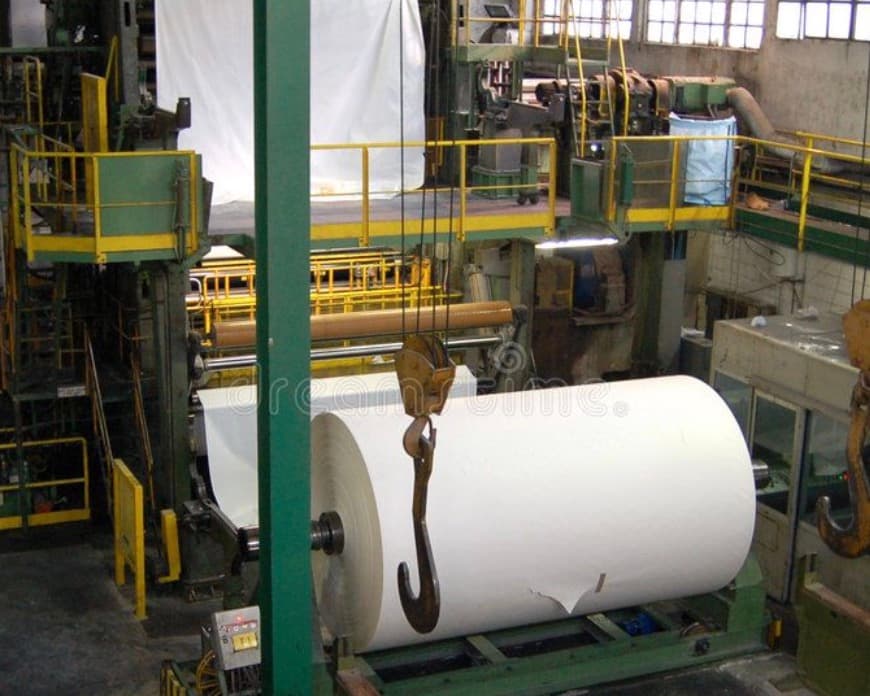
Paper manufacturing is energy-intensive from start to finish — pulping, bleaching, drying, and pressing all run on heat and electricity, much of it still from fossil fuel sources. Add in global shipping: raw pulp moves from forest to mill, paper moves from mill to printer, finished books move from printer to warehouse to store to your door. Every step adds emissions before a single page is ever read.
Here are the three biggest environmental costs, ranked from bad to worse.
3. Carbon footprint of production and shipping
E-books and audiobooks aren't a clean escape either — manufacturing devices and running data centers carry their own carbon cost. But for physical books specifically, the supply chain is long, energy-heavy, and largely invisible to the reader.
2. Water and chemical pollution from pulp mills
Turning wood into paper requires enormous volumes of water and a cocktail of chemicals — chlorine compounds for bleaching, sulfates for breaking down wood fibers. Pulp mills are consistently among the largest industrial water users in any region they operate in, and wastewater discharge has a long history of contaminating local waterways.
This isn't a problem of the past. Mills operating today, including ones supplying major publishing markets, still face scrutiny over discharge practices and the long-term health of the rivers downstream.
1. Deforestation and habitat loss
This is the big one. Pulp and paper production remains one of the leading drivers of forest degradation worldwide. Even with sustainable forestry certifications becoming more common, the scale of global paper demand still pushes into older, more biodiverse forest systems — the kind that take decades or centuries to regenerate, if they regenerate at all.
Habitat loss from logging doesn't just affect trees. It cascades through entire ecosystems — displacing wildlife, degrading soil, and disrupting the carbon storage that forests provide for free, until they're gone.
The lowest-impact book is the one you don't have to print
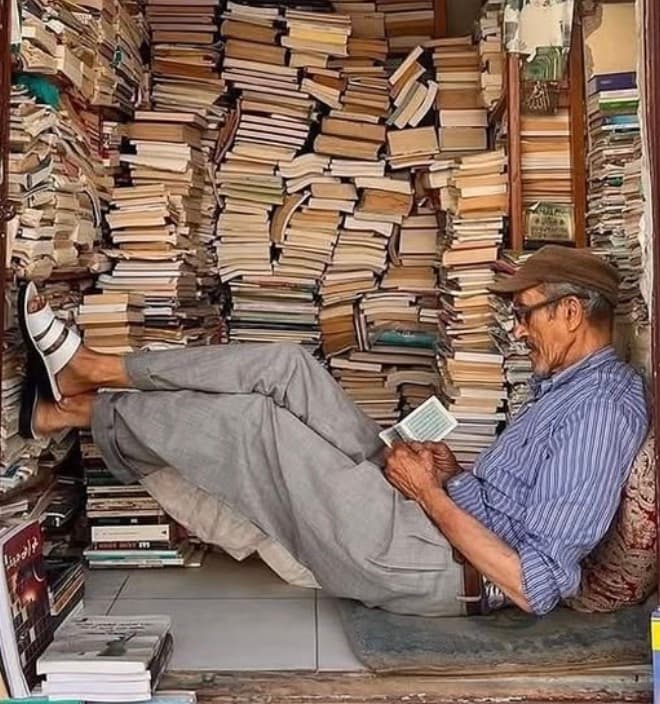
The single most effective way to reduce a book's environmental footprint isn't a greener pulping process or a better certification label — it's simply not printing a new copy at all. Every book that gets shared, passed on, or borrowed instead of bought new sidesteps this entire chain: no new tree, no new mill run, no new shipment.
That's the idea behind Librea — turning the books already sitting on shelves around you into the most sustainable supply chain there is.
Find your next book on Librea
iOS is in public testing — Android is coming soon.